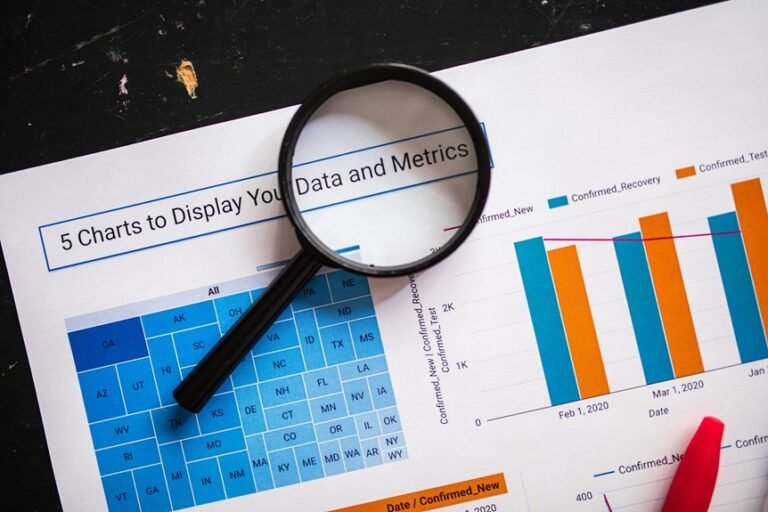
Insight Mapping Report: 2111027027, 963997166, 8667677603, 949751311, 335662150, 39105605
The Insight Mapping Report presents a structured analysis of several identifiers, revealing intricate patterns and correlations within the data. It employs robust statistical methods to uncover significant trends that can inform decision-making. Ethical considerations around data privacy and bias are also examined, emphasizing responsible practices. However, the implications of these insights extend beyond mere analysis, posing critical questions about their application in real-world scenarios. What does this mean for future strategies?
Understanding the Data Points
How can one effectively interpret the myriad data points that underpin a comprehensive analysis?
Effective data interpretation requires assessing statistical significance and ensuring data validation.
Visual representation aids in comprehending complex information, while contextual relevance enhances understanding.
Furthermore, examining variable relationships reveals insights that drive informed decision-making, allowing for a nuanced understanding of the data landscape and fostering an environment of intellectual freedom.
Analyzing Patterns and Trends
While the analysis of data points provides a foundation for understanding, recognizing patterns and trends is essential for drawing meaningful conclusions.
Trend identification and pattern recognition enhance data visualization efforts, facilitating statistical analysis.
Anomaly detection aids in revealing outliers, while predictive modeling fosters future insights.
Comparative analysis and temporal trends further enrich the exploration, enabling a comprehensive understanding of the data landscape.
Correlations and Insights
Building on the foundation established through the analysis of patterns and trends, the examination of correlations offers deeper insights into the relationships between variables.
Correlation analysis reveals significant data relationships, facilitating insight generation and enhancing predictive modeling capabilities.
Effective data visualization aids in trend identification, enabling stakeholders to grasp complex interdependencies swiftly, ultimately fostering informed decision-making and strategic planning in a dynamic environment.
Real-World Applications and Implications
Real-world applications of correlation analysis extend across various sectors, demonstrating its pivotal role in decision-making processes. Its practical use influences economic strategies, healthcare outcomes, and educational assessments, highlighting its real world impact.
However, societal implications and ethical considerations arise, particularly regarding data privacy and bias. Ensuring responsible implementation is crucial to harness correlation analysis effectively while safeguarding individual freedoms and societal values.
Conclusion
In conclusion, the Insight Mapping Report acts as a guiding compass, illuminating the intricate web of relationships among the identified data points. By unveiling patterns and correlations, it transforms raw data into a navigable landscape of insights, facilitating informed decision-making. The report not only underscores ethical practices in data handling but also fosters a deeper understanding of real-world implications, ensuring that organizations can tread thoughtfully through the complex terrain of information.