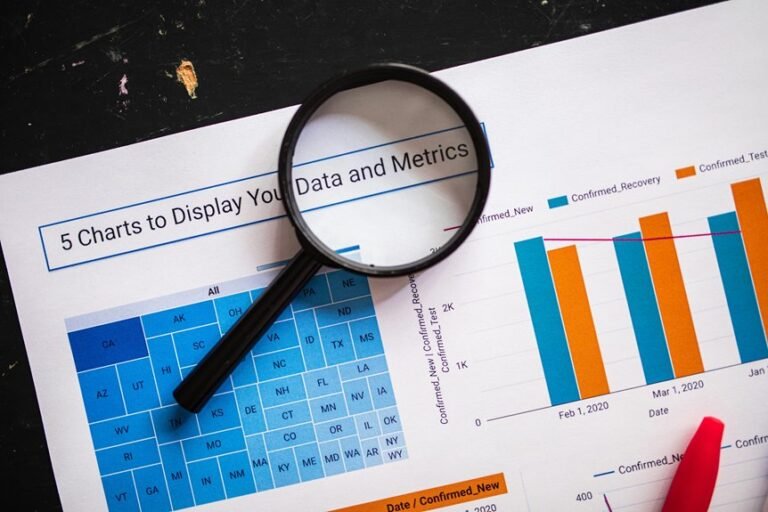
Analytical Data Breakdown for 910503908, 2873020002, 2243235003, 600082980, 1833000, 910360575
The analytical data breakdown for identifiers 910503908, 2873020002, 2243235003, 600082980, 1833000, and 910360575 reveals significant trends and patterns that merit attention. These insights can aid organizations in tracking performance metrics and identifying anomalies. Understanding the correlations within this data is essential for informed decision-making. What implications do these findings hold for strategic initiatives moving forward?
Overview of Unique Identifiers
Unique identifiers serve as critical tools in data management, as they enable the precise tracking and differentiation of entities within a database.
Their unique identifier significance lies in facilitating accurate data categorization techniques, which enhance organizational efficiency.
Analyzing Trends and Patterns
While examining datasets, identifying trends and patterns becomes essential for deriving meaningful insights.
Data visualization techniques facilitate the discovery of these trends, allowing analysts to present complex information clearly.
Additionally, trend forecasting methods enable predictions based on historical data, enhancing decision-making.
Key Insights and Implications
Key insights extracted from data analysis reveal critical implications for strategic decision-making across various sectors.
The data significance highlighted through insights synthesis demonstrates emerging trends that can shape future initiatives.
Organizations must leverage these insights to enhance operational efficiency, adapt to market dynamics, and foster innovation.
Understanding these implications empowers stakeholders to make informed choices, ultimately driving growth and competitive advantage.
Practical Applications of the Data
Practical applications of data analysis extend across a multitude of sectors, enabling organizations to implement data-driven strategies effectively.
Utilizing data visualization enhances comprehension and accessibility, empowering stakeholders to engage with insights directly. This fosters informed decision making, allowing organizations to adapt swiftly to changes and optimize operations.
Ultimately, the strategic use of data empowers entities to achieve their objectives with greater clarity and precision.
Conclusion
In conclusion, the analytical breakdown of unique identifiers serves as a compass guiding organizations through the intricate landscape of data. By revealing trends and patterns, these insights illuminate the path toward informed decision-making. As stakeholders harness data visualization tools, they transform raw information into strategic narratives that propel operational success. Ultimately, the ability to discern these correlations is not merely advantageous; it is essential for navigating the ever-evolving business environment with clarity and purpose.